What I Do in the Winter

nate • February 28, 2022

The question often comes up when chatting with customers: "What do you do in the winter?" 


Fair question.  I use water when washing the outside of buildings, and so exterior cleaning isn't something that I can do in typical New England winter weather. 


But wait!  What IS "typical" Cape Cod winter weather?


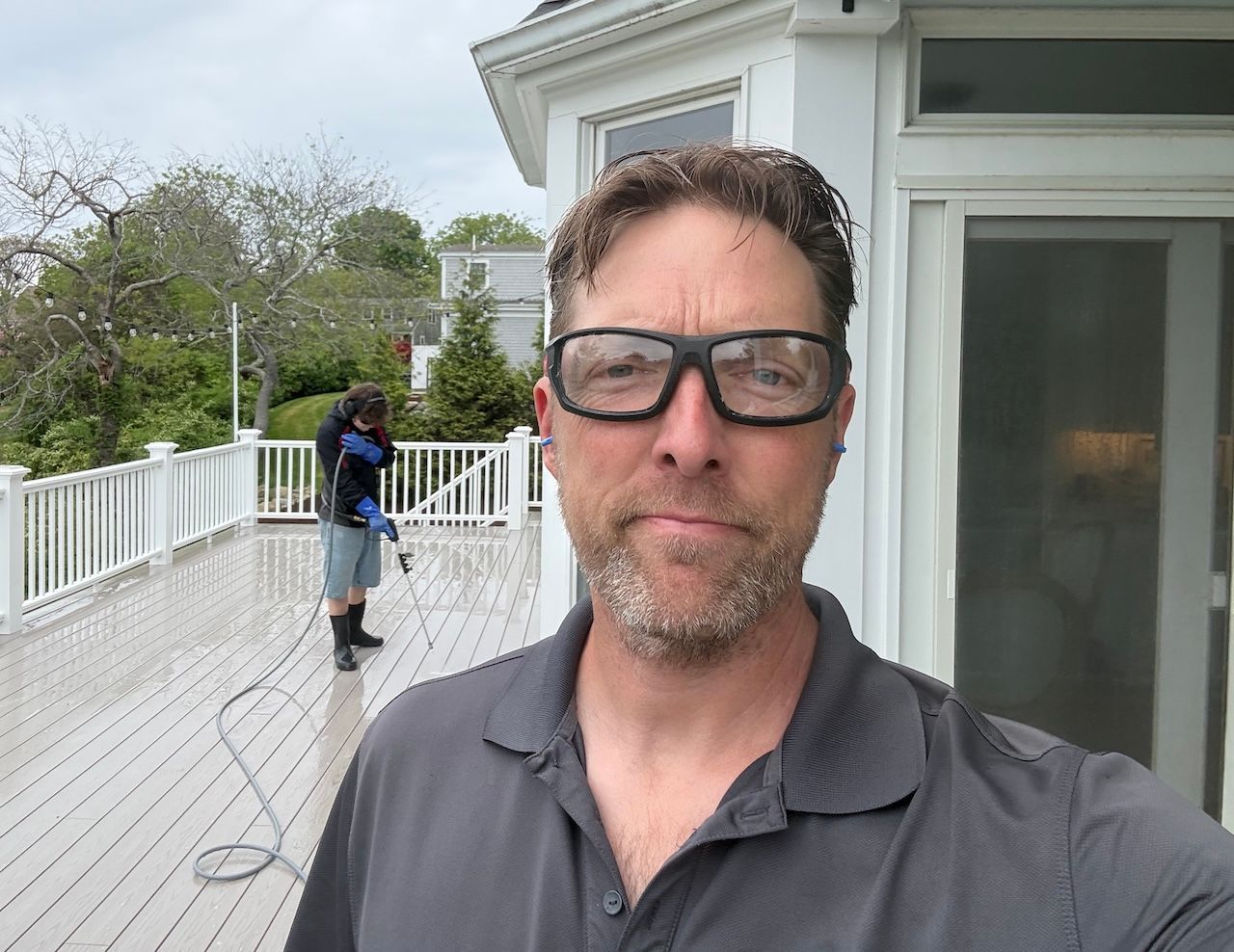
Some winters, we have no snow on the ground whatsoever.  Other winters (2015), it's been a snow-bound mess from December into April.  I cleaned three mahogany decks this February 22nd but on May 3 in 2020, it snowed.  So there is no "typical" winter weather here.  For that reason, I stay flexible with my schedule and YES, I do clean during the winter when weather allows.  On February 22 of this year, I washed three mahogany decks in Chatham. 


What ELSE do I do in the winter, aside from some occasional cleaning jobs?  These days, I go to a lot of youth hockey games (go Coyotes!).  I make silly videos regarding exterior cleaning for my YouTube channel.  And, recently, I've turned a hobby into a side gig. 


Nate Church Boats is the very un-sophisticated name of a pursuit which I'm hoping will fill more of my winters (and my wallet) as time goes by.  I do fiberglass repair and fabrication.  It's pretty basic at the moment, but some higher-tech stuff is in the works.  Yes, it's another messy job which many wouldn't care for.  Yes, I rather enjoy it. 


My ideal client is a Cape Cod resident with a trailerable fiberglass boat who wants to have repairs done to their boat AND who plans ahead.  Know somebody like that?  I'm here


By nate February 4, 2026
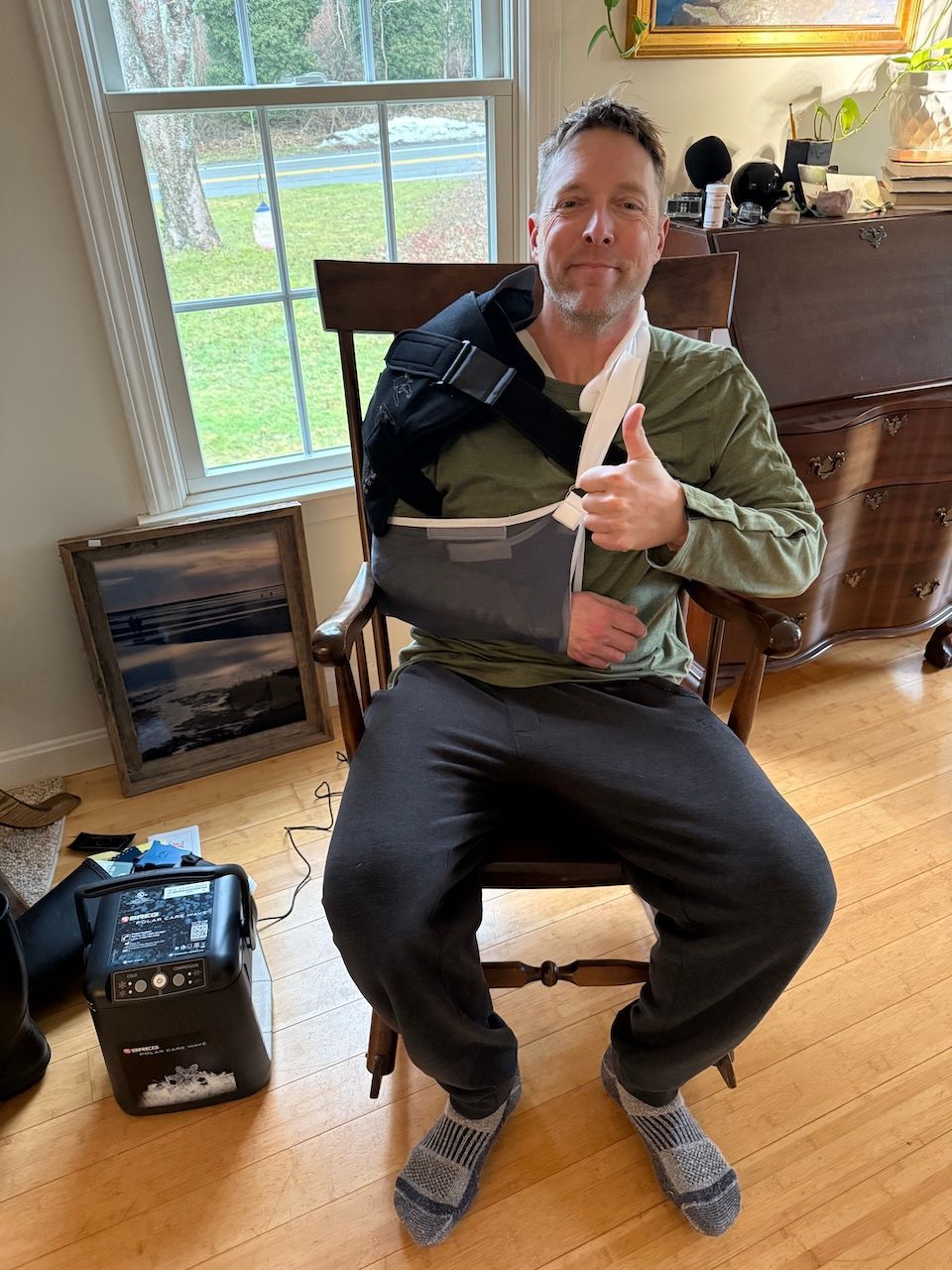
When I started cleaning roofs and siding here on Cape Cod, I was bluntly told by an intelligent person that I was "a little old to be a roof cleaner." At that time, I was 34. There’s a reason for that. People are supposed to do this for a season or two, realize it’s a physical grind which never gets easier, and move on. That’s the pattern I’ve watched for years, as exterior cleaning services have regularly popped up and then quickly disappeared. It’s a grind. It never gets easy. Most people quickly move on to better things. ( Case in point: I just learned of yet another local cleaning service which has closed their doors ). I just turned 50. As I write this, I'm recovering from a surgery which was needed because I was wearing out. It turns out that if you wave a power washer wand around for twenty thousand hours or so, the repetitive motion takes a toll. Happily, we live in an age when things such as worn out shoulders are largely fixable. But sitting here looking out at the snow is causing me to reflect on how these last many years have been spent: the roller-coaster seasons, the blur of jobs and customers, the family events which have filled the small gaps between work, maintenance, and meetings. Juggling work, parenting, and caring for Leah as she recovered from the early stages of her stroke and cancer. Work-wise, I've had a good run; this business has been good to me, and I'm still at the top of my game in many ways... but it's time to throttle back. Am I retiring? No. Am I going to keep up the same torrid pace that I've kept all these years, cleaning five or six days a week from February through December? No... definitely not. That pace no longer makes sense. What DOES make sense for me now? Working local ; not traveling to clean buildings all over New England. Taking on jobs of a size that I can readily handle ; not signing up more humongous jobs. Working less so that I can work longer. Finding a better balance between time spend cleaning, and time spend living. I don't need to make a fortune; my "fortune" has been made. Now, I need the longevity to enjoy this next phase of my life. So, if you call me and find that I'm booked until early summer, and then you see me on a Tuesday afternoon this spring enjoying some fishing at the pond, please understand: A full "work calendar" no longer means an "actually full calendar." I'm setting some boundaries and limits, and it will be an adjustment, but to not do so will mean certain failure. And, as I've been telling others for years without listening to my own advice, "there's no trophy for burning out." Or turning to dust.
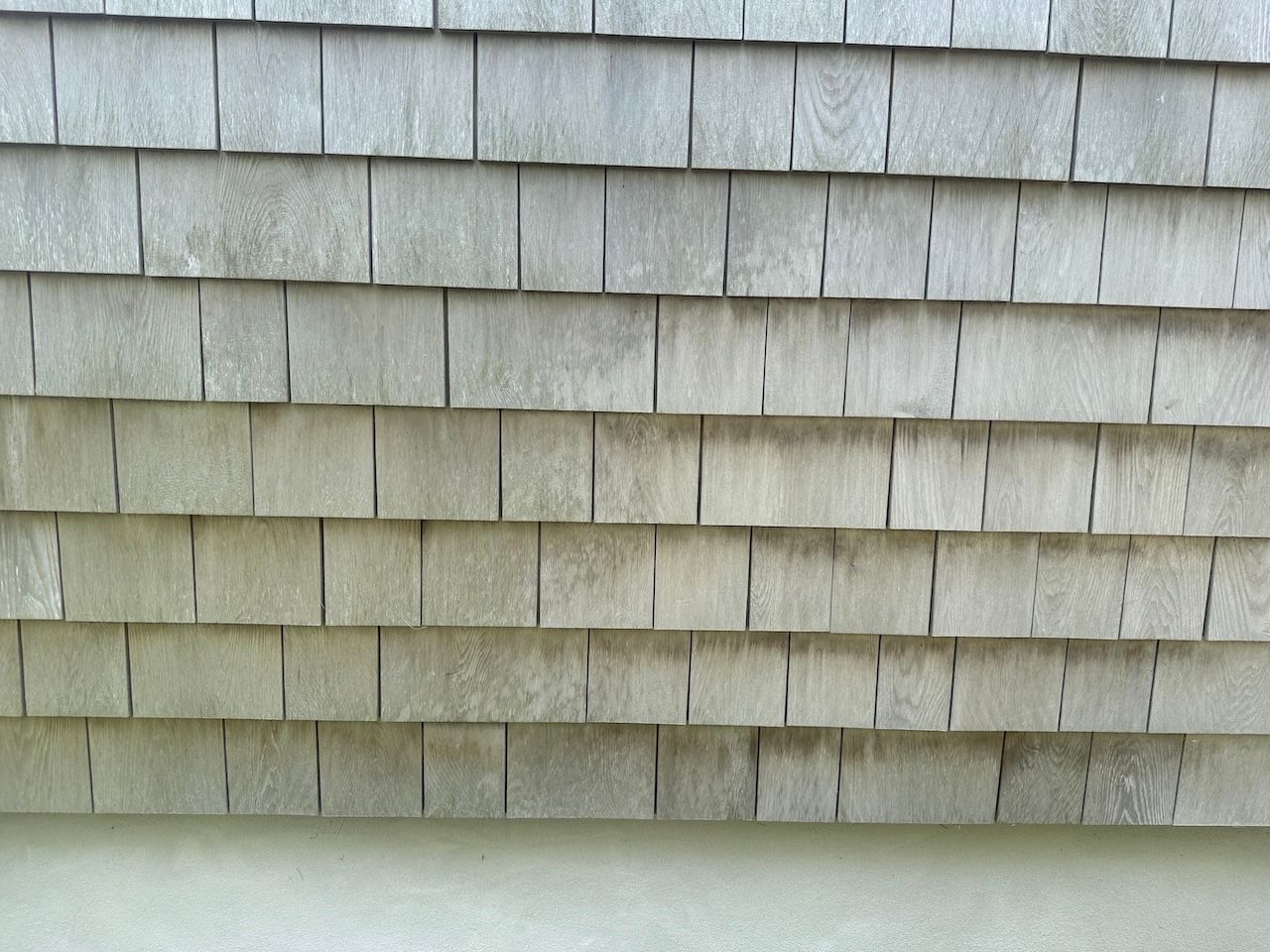
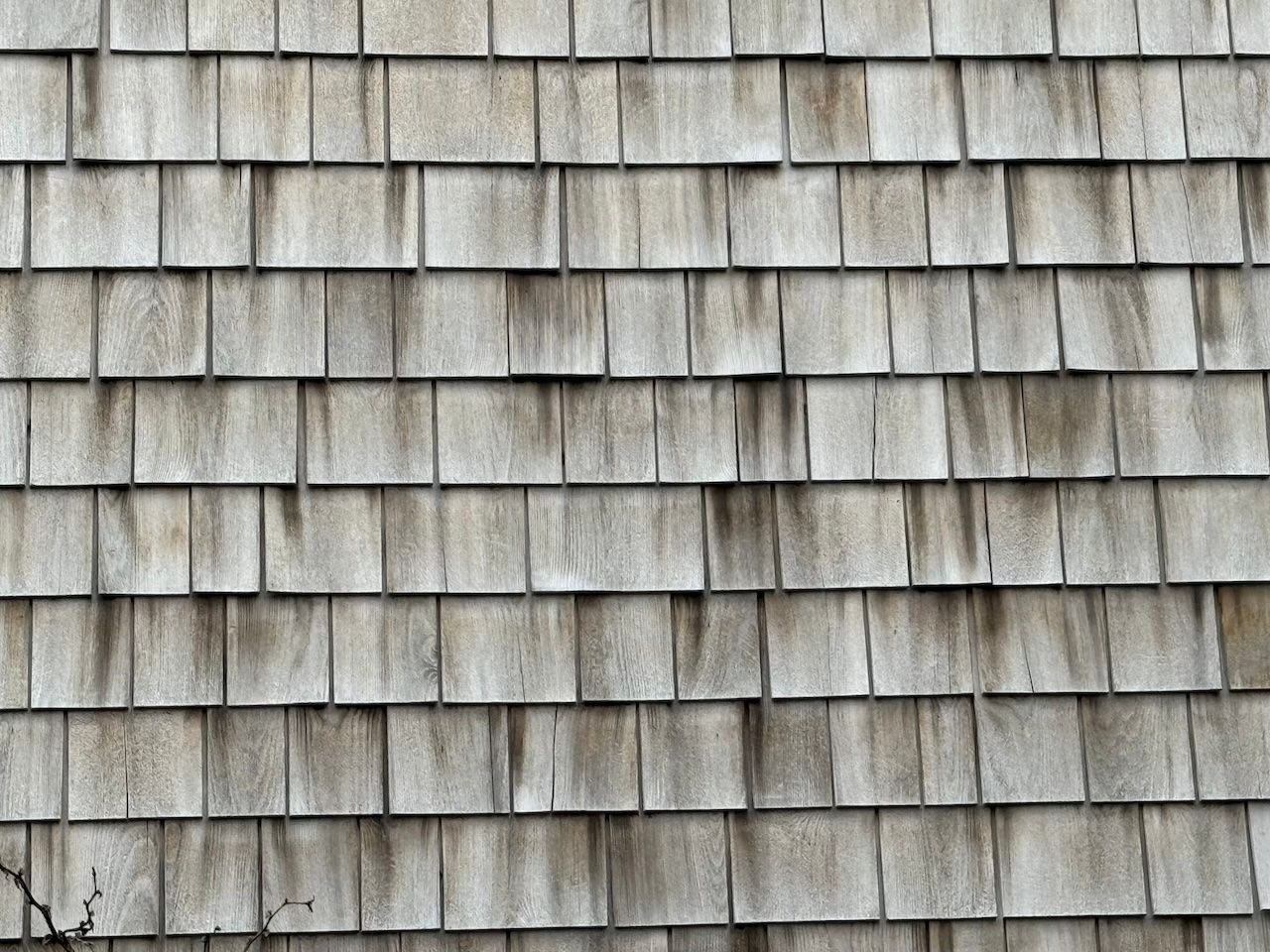
cedar shingled siding
By nate September 30, 2025
Every year here on Cape Cod, I see some new exterior cleaning services pop up. Often, they are branded as the "cleaning division" of a painting company. Sometimes they are started by the disgruntled employee of an existing cleaning company. And sometimes (rarely), they are started by an ambitious individual who sees an opportunity for those who are willing to work. The opportunities are there. Believe me: when a little company like mine - which doesn't even pay to advertise - is already 14 jobs deep into springtime 2026, the work is there. But then every year, I notice that an approximately equal number of these companies quietly disappear. As I write this, I'm looking at the text message I got from a local cleaner in response to me referring some work to him: Nate I meant to text you, through the ups and downs of this year Ive decided to go back to college and just moved... but I also wanted to say thank you so much for the work you pushed my way it made such a difference. ...another one bites the dust. It begs the question: why don't more local exterior cleaning companies last? There is no single defining reason, but based upon what I've seen locally, I can easily point to several factors : Lack of affordable housing. This leads to a lack of affordable employees. Hell, housing is so unaffordable that I couldn't afford to move here today if I didn't already own a place. Weather. Just because that waterfront house in Harwich Port needs to be cleaned doesn't mean that it CAN be cleaned. The weather needs to be calm and dry, and THOSE days can be few and far between. Weather is a factor for many (most) types of exterior cleaning jobs, and trying to schedule those jobs around renters, landscapers, painters, etc can be a nightmare and can be very limiting. Inexperience. It's amazing to me how many would-be cleaners go out and finance a fancy, overpriced cleaning trailer, only to realize they don't know how to use the equipment, it's the wrong equipment to begin with, or that they don't know how to clean even if they had the right equipment. This is common. Lack of financial sense . For example, I see too many new cleaners getting excited about that "big money job" which - after I do the math - they realize was a looser after factoring in all the effort and expenses. Or they buy a $45,000 cleaning drone, only to realize in hindsight that it will likely never pay for itself because the specialized work just isn't there in the volume needed. Folks, it's not what you make, it's what you KEEP.... It's hard work. Really. Hour after day after week after month... it's hard. It's a grind. It takes a toll. It isn't comfortable. As ever, I'm happy to discuss this business with anyone considering getting into it. Don't be shy. nate@outsidecleaners.com
poerwash tennis court
By nate August 26, 2025
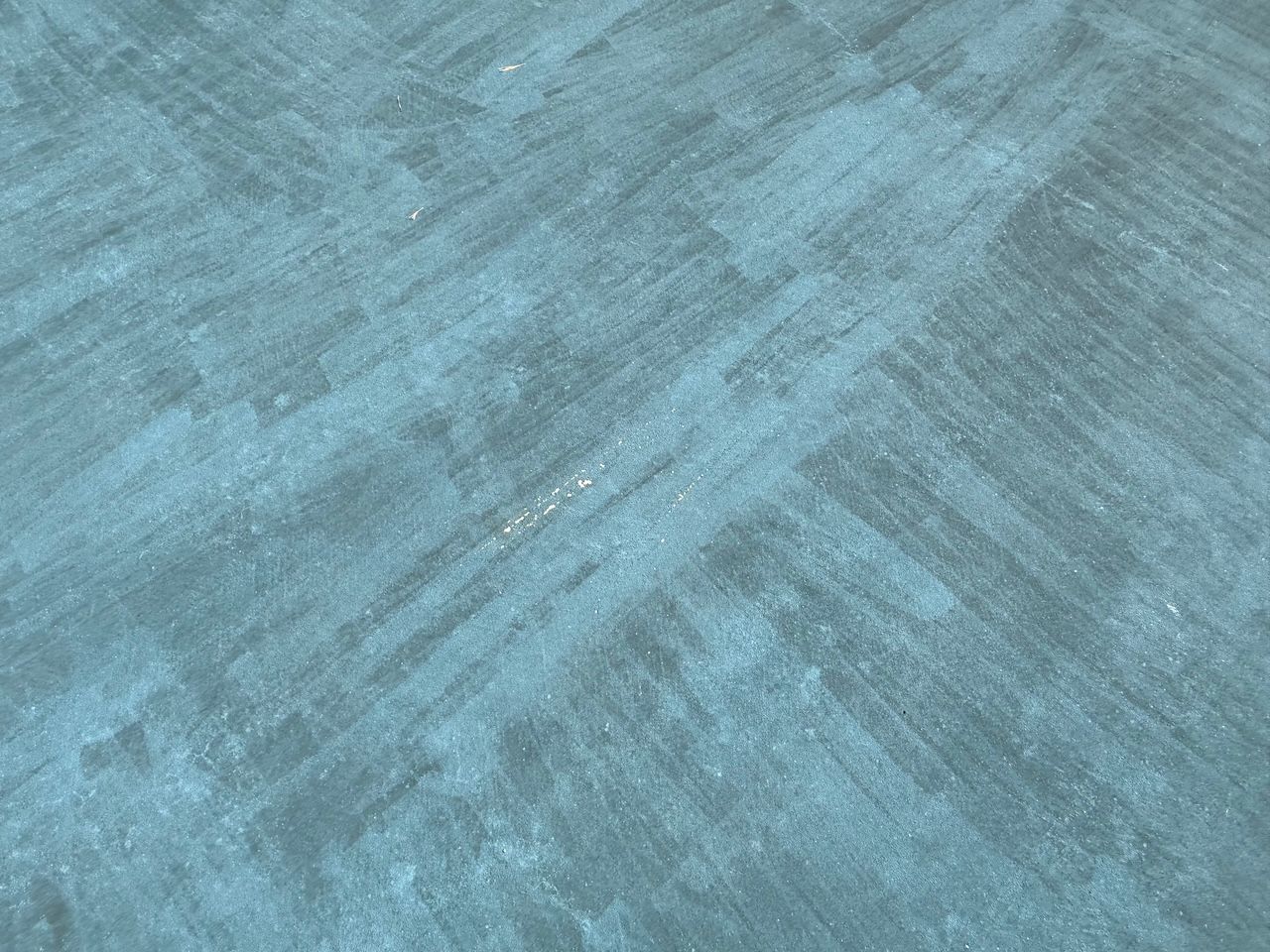
what happens when you wash a tennis court
cancer
By nate July 2, 2025
A difficult time for a small local business!
bleach
sh
roof cleaning
soft washing
trends
exterior cleaning
cedar
cape cod
outside cleaners
By nate March 14, 2025
Somebody recently joked about me looking so much older than the younger man in some of my YouTube videos from years ago. Well, like Indiana Jones said, "It's not the years; it's the mileage." But with thousands upon thousands of hours spend outside cleaning - and along with the aching back, creaking knees, and throbbing right shoulder - comes the benefit of experience and breadth of view. I've seen things come and go over long enough periods of time to notice trends in the exterior cleaning industry. In this blog I'd like to share an observations regarding one of those trends. First, it's important to realize that the exterior cleaning market on Cape Cod is vastly different than nearly all of the rest of the country, because our roofs and siding materials are vastly different. Most residential construction in the U.S. features siding of vinyl, composite, or mayyyyybe painted wood. Roofs are almost always asphalt/composite. The bare cedar surfaces found so commonly here on roofs and siding are very, very rare in most of the United States. We are a tiny, tiny niche market. Similarly, the exterior cleaning industry on Cape Cod is necessarily different from the exterior cleaning industry elsewhere, where those hard, synthetic or painted surfaces are readily "soft washed" with a chemical solution dominated by sodium hypochlorite (i.e. bleach). While sodium hypo - or "SH" in industry parlance - is a fine and appropriate ingredient for cleaning many hard, non-porous surfaces (vinyl siding, "Hardiboard," tile roofs... I'm looking at you, Florida), SH simply isn't the do-all solution when it comes to cedar... especially the WHITE cedar so prevalent here on Cape Cod. Don't get me wrong: chlorine bleach does has its place in the local cleaning toolbox, but the toolbox necessarily contains many other tools as well. Companies such as Harwich-based Wash Safe set the standard years ago for non-chlorine cedar cleaning products, instead relying heavily on the cleaning power of sodium percarbonate ("hydrogen peroxide")-based cleaning chemicals. These non-bleach cleaning chemicals required different cleaning equipment and processes than the rest of the country was using to clean everything with bleach. Because our local cleaning needs are so unusual and insignificant compared to the nationwide industry as a whole, the ever-increasing number of companies who make fancy trucks and trailers for the exterior cleaning industry have never been motivated to make products designed for our niche ways of cleaning. So, on a national level, the equipment being marketed to the exterior cleaning industry has been nearly entirely designed for those who clean with bleach. For this reason, the experienced cleaners on Cape Cod have long since resorted to designing and building their own custom "cleaning rigs." I did the same. So, for years, one observable trend has been for cleaning equipment to become ever-more tailored to the legions of "Bleach Bandits." Pumps were built to be more and more resistant to SH's corrosive effects; synthetic bleach stain-proof clothing was marketed to cleaners; metered mixing manifolds allowed the fine-tuning of the bleach application. Then, the mixing valves became controllable with a little key FOB from your position on the ladder. Bleach, bleach, bleach. . But change is in the air. Happily, in this one little way at least, the change is a good thing. It seems that us niche wood guys are starting to be heard by the broader exterior cleaning industry. Many chemical vendors have added sodium percarbonate to their lineups, making their own version of "Wash Safe Cedar Wash." Even better, sodium metasilicate (the EPA's preferred replacement for trisodium phosphate, or TSP) has crept into common availability such that even companies in the very heart of bleach country are now offering their own sodium metasilicate-based wood cleaning formulations (looking at you, Southeast Softwash ). Today, the wood-cleaning crowd is being heard by even some cleaning equipment makers. Case in point: yesterday, I met with a young cleaner off-Cape who is adding a fancy, factory-build cleaning trailer to his small cleaning fleet. AND, to my delighted wonder, along with the typical bleach-slinging tools, the trailer included a tank labeled for (gasp) sodium percarbonate! I couldn't have been happier for him or the industry. Including more tools in the tool box, and thereby recognizing that bleach isn't the right tool for every cleaning situation, is a step in a better direction.
cedar shakes
cedar types
cedar quality
quality of cedar
By nate February 10, 2025
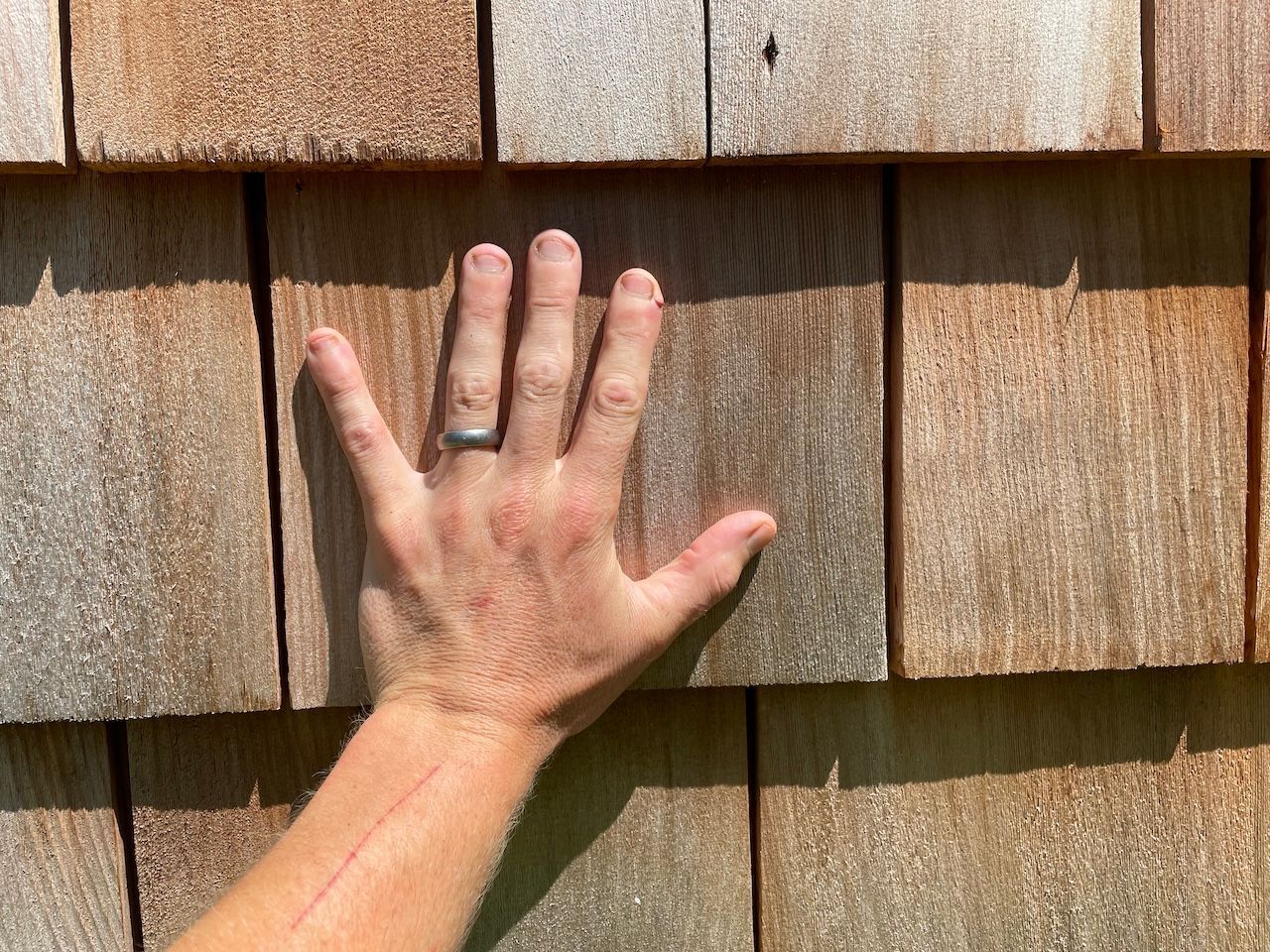
Here I discuss how the quality of cedar shingles are graded, and how I think it SHOULD be graded.
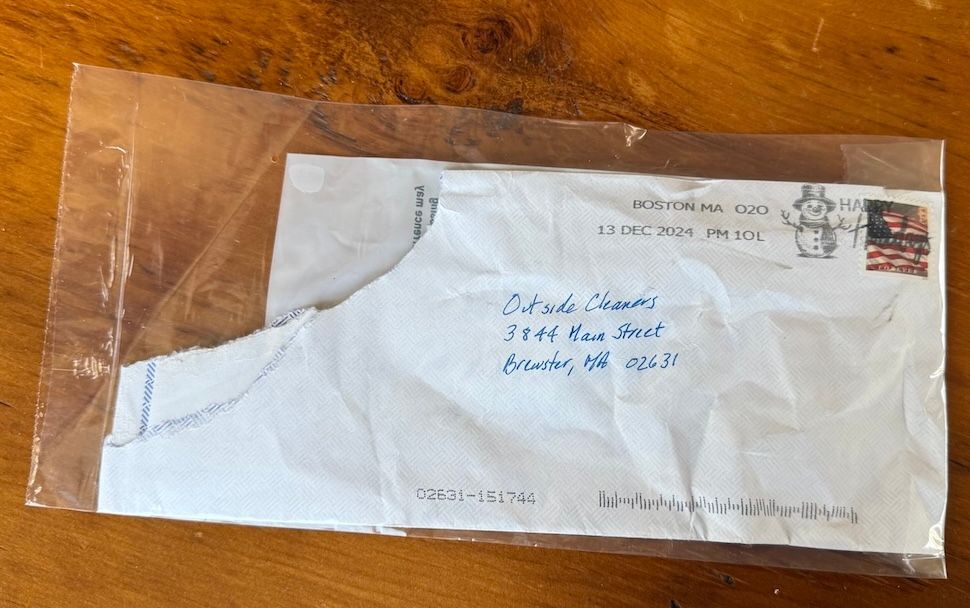
a check damaged by the USPS
By nate January 15, 2025
A discussion on methods of payment for exterior cleaning.
LLC
S-Corp
roof cleaning
small business
Massachusetts
Health Connector
Outside Cleaners
By nate December 1, 2024
Deciding between an LLC and an S-Corp
cedar
cedar siding
cape cod
cedar cleaning
outside cleaners
shake
shingle
house wash
housewash
By nate November 6, 2024
Late-season reflections on cedar, cedar homes, and cedar cleaning.
business texting
power washing business
cleaning business
communication
roof cleaning
soft washing
By nate July 3, 2024
Leah says that I'm old-fashioned; that more and more people conduct business communication via text message; that by not being a "texter," I'm missing out on potential customers. I say: that's all true. And I won't change. Here's why I won't embrace texting for business: Overwhelming volume. Thanks to a simple promotional video which I made and threw on YouTube back in 2017 - which has since been viewed around half a million times - my cell phone gets carpet bombed with texts all day, every day, from people all over the world all asking questions about exterior cleaning. I wake up to a dozen texts from numbers I don't know, from places I've never heard of. By lunch, another dozen. By the time the day is over, another couple dozen yet. Everyone has a question, and almost nobody (really: nobody ) is a simple answer away from having the info they need. The time needed to respond to these questions just doesn't exist. I know, because I tried for years to keep up. One question leads to another, and each answer is time out of my own day and life which I'll never get back, and for which I get nothing in return. No organization. Unlike emails or actual paper mail, there remains no good way to track and organize text messages. "Pinning?" "Flagging?" Oh, please : try readily organizing and tracking fifty or a hundred new text conversations each day. Try scrolling back through these silly little phone screens with aging eyes to look for that conversation with somebody - can't remember who - about that chemical they asked about. It's always an emergency. The nice thing about roof cleaning and exterior cleaning in general is that there really aren't any "urgent" situations: moss, algae, and lichen grown very slowly and predictably. ("Look out! A glacier is coming!") When these things are noticed, it's easy and reasonable enough to put it on the schedule to address when we're able to. Maybe that's in 2 weeks, maybe that's in 3 months. Either way, things aren't going to change much in the meantime. BUT, there's something about texting which brings out the last-minute crowd: the Realtor who just realized that a home is a dump and photos are being taken on Friday; the exterior cleaner who bid on a job, got the job, and only now - while doing the job - realizes that he doesn't know what the heck he's doing. People in these situations seldom call, but they DO text! By not getting into texting, I'm sidestepping the drama which comes from last-minute, ill-planned cleaning. No sense of people. When I speak with a potential customer on the phone, I can get a decent sense of who they are, whether their expectations are realistic, etc. Tone of voice is more meaningful than emojis. There are some "red flags" which I look for in a potential customer which will cause me to politely decline involvement in a cleaning project: them badmouthing every contractor on Cape Cod, or them saying they want things done the way they read about on Reddit... even if they have no idea what they're talking about. Again, a short conversation tells me far more about a potential customer than a text exchange, and I imagine that they could say the same in reverse! Want to get in touch? You can find me here .
Show More